
Course Assignments
View the MIS 204 curriculum assignments

Company Launch Pad
Through a guided conversation, create a unique company profile that shapes your entire learning journey. Your responses will personalize every future assignment, making each interaction uniquely yours.
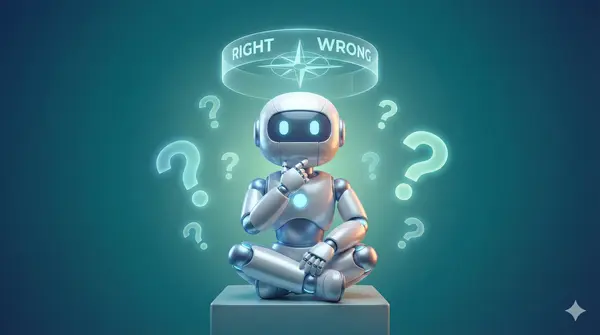
1. Creating Ethical Guidelines for MIS
As part of the information systems modernization initiative, the company recognizes the critical need for clear ethical guidelines in today's complex digital landscape. The management team has requested the development of comprehensive ethical guidelines for MIS use within the growing organization. These guidelines should address key ethical principles and provide detailed, actionable advice on maintaining ethical standards in technology deployment and implementation across all operational departments.
2. Capitalizing on Disruptive Innovation
The company is facing disruption in its industry due to the emergence of Large Language Models (LLMs). The executive team needs to understand how LLMs could impact their competitive position. They've decided to prepare a pitch for potential investors on how to leverage this technology. This pitch should analyze the opportunities and challenges of implementing LLMs in their specific industry, using Porter's five competitive forces as a framework, while considering implementation costs and strategic benefits.
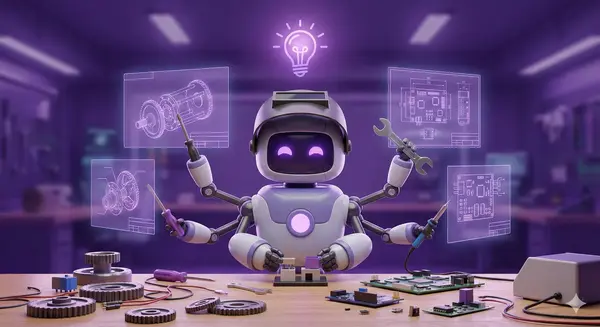
3. Invent a Device
Following the investor pitch on LLMs, the company has decided to develop a new device incorporating this emerging technology. The R&D department must conceptualize and design this innovative device, considering hardware, software, and network requirements in detail. The team will create a basic prototype detailing functionality, target users, interactions, and system challenges. This device will become a key product influencing future supply chain and customer relationship decisions throughout the organization.
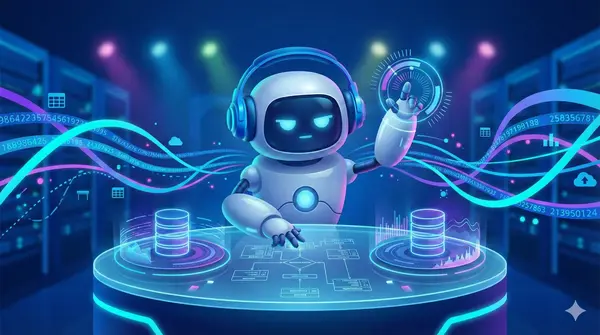
4. Managing Your Company's Data
Following the successful development of the LLM-integrated device in Chapter 3, the company is preparing for a full-scale launch. This new product has created new data streams and relationships between product information, customer interactions, and sales data. The IT department must overhaul the data management system to handle this increased complexity. They must design a new database system that can manage product information, customer data, and sales records while integrating with existing systems.
5. Developing CRM-GPT
Building on the company's earlier exploration of LLM technology, the customer service department is launching a new initiative called CRM-GPT, an AI solution aimed at potentially replacing traditional CRM workflows. The IT team has been asked to test the LLM base model's ability to field typical CRM queries. Based on their findings, they must develop a set of custom instructions that their CRM-GPT must adhere to, ensuring it aligns with the company's customer service standards and ethical guidelines established in Chapter 1.
6. Digital Problem-Solving
The company is facing a business dilemma that requires an innovative solution powered by modern technologies in today's competitive marketplace. The R&D department has been challenged to devise a comprehensive solution using one or any combination of IoT, AI, and Crowdsourcing technologies to drive business value. This initiative aims to address a specific business problem while showcasing the company's technological capabilities and innovation potential to stakeholders and competitors.
7. Spot the Bias
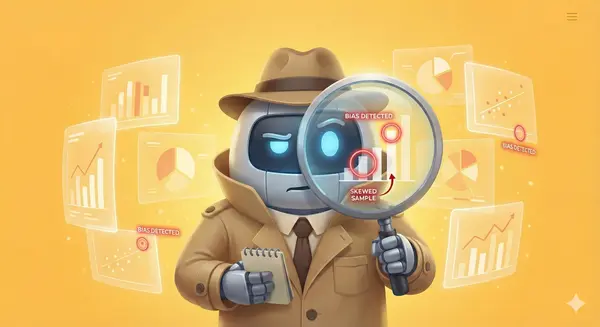
The company is expanding into three new regions, and its AI analytics platform has produced a confident business intelligence brief to guide the board's decisions. But AI-generated analysis can inherit the biases of its data and its owners. Before the board votes, you must audit the brief: interrogate the evidence behind each region's claims, identify the biases hiding in the analysis, and revise the recommendations so the company expands on solid ground.
8. Emulating Company Culture
The company is transitioning to a hybrid work model, which poses significant challenges to maintaining its traditional company culture and employee engagement. The HR department, in collaboration with IT, has been tasked with exploring how face-to-face interactions underpin company culture and team dynamics. They must brainstorm innovative solutions and practical approaches of ways to use collaborative technologies to emulate and nurture this culture in a virtual setting while maintaining employee satisfaction.

9. Knowledge Management & E-Learning
The CEO initiates a company-wide knowledge capture program aimed at documenting the vast reservoir of tacit knowledge held by employees across various departments. The goal is to use this captured knowledge to fine-tune the LLM powering their device, thereby creating a unique, company-specific AI that embodies the collective expertise of the entire organization. Simultaneously, they want to develop an e-learning platform that not only trains and upskills employees, but can be used as a co-pilot for department-specific tasks and needs.
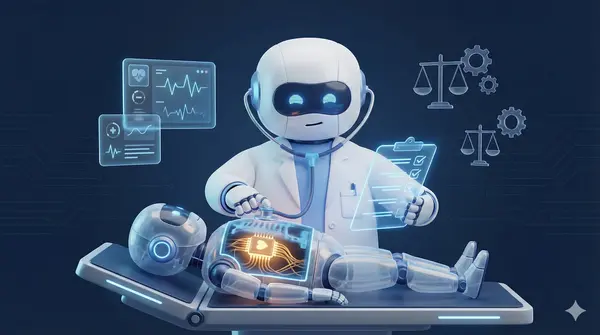
10. AI Ethics Review
The company's recent implementation of GenAI-based solutions, including the CRM-GPT, has raised unexpected ethical concerns. The executive team has called for a comprehensive review of these AI implementations. The ethics committee, in collaboration with IT, must identify potential ethical issues, investigate stakeholder impact, and evaluate alignment with ethical guidelines. They need to propose strategies to address concerns while maintaining AI benefits, and develop a framework for ongoing ethical assessment.
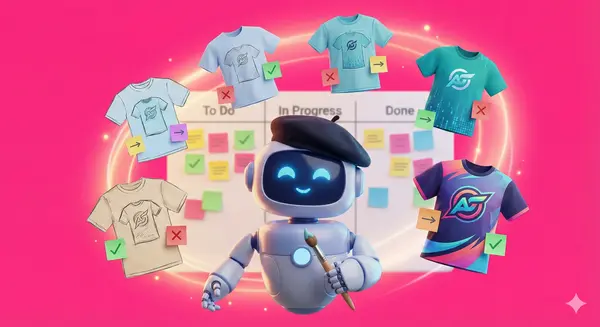
11. Agile T-Shirt Design
The marketing department has proposed creating company-branded merchandise, starting with a t-shirt design. To test a new project management approach, the company will use Agile methodology for this initiative. A cross-functional team from marketing, design, and IT must create a product backlog and execute 3 sprint cycles to produce a t-shirt design. They need to incorporate stakeholder feedback after each sprint and use AI tools for design iteration. The team will document the process and compare it to traditional approaches.

12. Strategic IT Project Planning
The LLM-integrated device developed in the Chapter 3 assignment has become a runaway success, catapulting the company into rapid growth and market leadership. However, this success has put immense pressure on the existing IT infrastructure, which was not designed to handle the current scale of operations. Recognizing that the company's continued success and future innovations depend on a robust, scalable, and forward-looking IT foundation, the CIO has initiated a comprehensive digital transformation project. This project aims to overhaul legacy systems, integrate cutting-edge technologies (including expanded use of AI and LLMs), and align IT capabilities with the company's ambitious strategic goals for the next five years.

Finalized Summary Slides
Combine all 13 of your chapter summary slides into one polished PowerPoint presentation. This is your chance to showcase your company's journey through the semester—add your branding, visuals, and talking points to create a professional deck.